
MENU


1-4
Dioxane
VOC

LEAD
Lead is a toxic heavy metal that contaminates water when plumbing materials like lead pipes, goosenecks, and fixtures corrode over time. This is particularly concerning because lead poisoning can inflict severe damage on the nervous system, resulting in neurological effects, especially in children. Even minimal exposure to lead over time can result in significant health complications for both children and adults, jeopardizing cognitive development and overall well-being. The current action level is 15 parts per billion (ppb).
COPPER
While copper is an essential mineral supporting a lot of human bodily functions, exposure to high copper levels, often from contaminated food and water, can result in copper toxicity. Corroded plumbing materials are a common source of copper release into drinking water. Short-term exposure to elevated copper levels may lead to symptoms like stomach cramps, nausea, vomiting, and diarrhea. Prolonged exposure to high levels of copper in drinking water can escalate to more severe health issues, such as liver damage and neurological disorders. The current action level is 1.3 parts per million (ppm) or 1,300 ppb.
PFAS
per- and polyfluoroalkyl substances (PFAS) represents a set of over 9,000 man-made chemical compounds that do not break down over time, also known as “forever chemicals”. This means they build up in our environment and even in our bloodstream over time. PFAS compounds are used by industry and the military in a wide range of products, including many household items we use every day, such as nonstick cookware, plastic food packaging, and stain removers. These compounds are flushed into our waterways through industrial discharges and municipal wastewater systems and can re-enter our homes through tap water. PFAS are currently unregulated by the federal government, and while public health risk data is limited, the CDC has concluded that PFAS are linked to increased risks of kidney and testicular cancer, low birth weight, higher cholesterol and blood pressure, and a decreased response to vaccines.
1,4-DIOXANE
1,4-Dioxane is another volatile organic compound that is unregulated by the federal government. 1,4-Dioxane is commonly used in various solvents to make them not deteriorate or break down, and is found in many household hygiene products including shampoos, laundry detergents, soaps, and cleansers. The EPA has concluded that public health risks from 1,4-Dioxane include headaches, eye, nose, and throat irritation, liver and kidney damage, and tumors.
BTEX
BTEX is an acronym for four different chemicals: benzene, toluene, ethylbenzene, and xylene. They are all volatile organic compounds (VOC), which means they easily vaporise and leach in the environment under normal conditions. BTEX are widely used in the petrochemical industry, particularly in crude oil and natural gas production. Hazardous waste sites can contain large amounts of BTEX, which can leach into water, soil, and air, polluting the environment. BTEX is currently regulated by the federal government, although more rigorous standards could be set and enforced. Public health risks from BTEX exposure include leukemia and other blood cancers, neurological impairments, and kidney, liver, and blood system changes.
HOw it works
STEP 1
Complete this interest form and we'll reach out in a few days with more information.
Interest Form
STEP 2
Choose what water quality test package you would like, fill out a liability form, and submit your payment.
STEP 3
Within the week, we will reach out to schedule a visit.
STEP 4
Unlike other service, we will visit your location to conduct the water quality testing.
STEP 5
Unlike other services, we will share the results of the laboratory analysis with you within three weeks.
STEP 6
Unlike other services, we will help you to understand results, and recommend some ways to improve your tap water quality.
Water Testing Services are available to both
residential and commercial buildings.
Background

Together, this partnership will create one of the most comprehensive assessments of household water quality in the region and underscores the need for stronger protections, equity, and investment in safe drinking water for every community. It will show the need for evidence-based strategies to strengthen water quality standards and could be used to advocate for greater utility funding and collaboration.
Utilities Regulations under the Clean Water and Drinking Water Acts
The Safe Drinking Water Program through the LDH provides comprehensive drinking water protection to the citizens and visitors of Louisiana, supervising over 1,200 public water systems to meet state and federal drinking water requirements. The goal of the Safe Drinking Water Program is to prevent illness and death that can occur from waterborne disease outbreaks or chemical exposure associated with contaminated drinking water. It accomplishes this through monitoring, inspections, and engineering plan review. Monitoring includes the collection, analysis and review of bacteriological and chemical samples to ensure compliance with maximum contaminant levels, treatment technique requirements, monitoring and analytical requirements. Inspections include sanitary surveys and site inspections conducted to evaluate the capability of a drinking water system to consistently and reliably deliver an adequate quality and quantity of safe drinking water to the consumer and to ensure compliance with state and federal drinking water regulations. Engineering Plan Review of, and issues permits for, new construction and modification of public water systems including the source, treatment, storage and distribution facilities to ensure the quality and protection of drinking water.
The Drinking Water Protection Program (DWPP) was designed by the Louisiana Department of Environmental Quality (DEQ) to assist Louisiana communities in protecting their drinking water and preventing contamination of drinking water sources. The goals of the program are to increase public awareness of the importance of protecting drinking water sources and to educate communities on actions they can take to protect drinking water. As well as focusing on public education and community activism, the program elements of the Drinking Water Protection Program also focus on zoning regulations and contingency planning by the water systems.
COMMUNITY VOICE
IS CRITICAL TO
OUR PROCESS

Past Work
The Water Collaborative completed its first water quality study in 2022, and performed other studies in 2024 in New Orleans, and in Southeast Louisiana in 2025. The focuses of the studies were water contaminants of concern, their distribution, and patterns, including; lead, copper, PFAS, 1,4-Dioxane, and BTEX


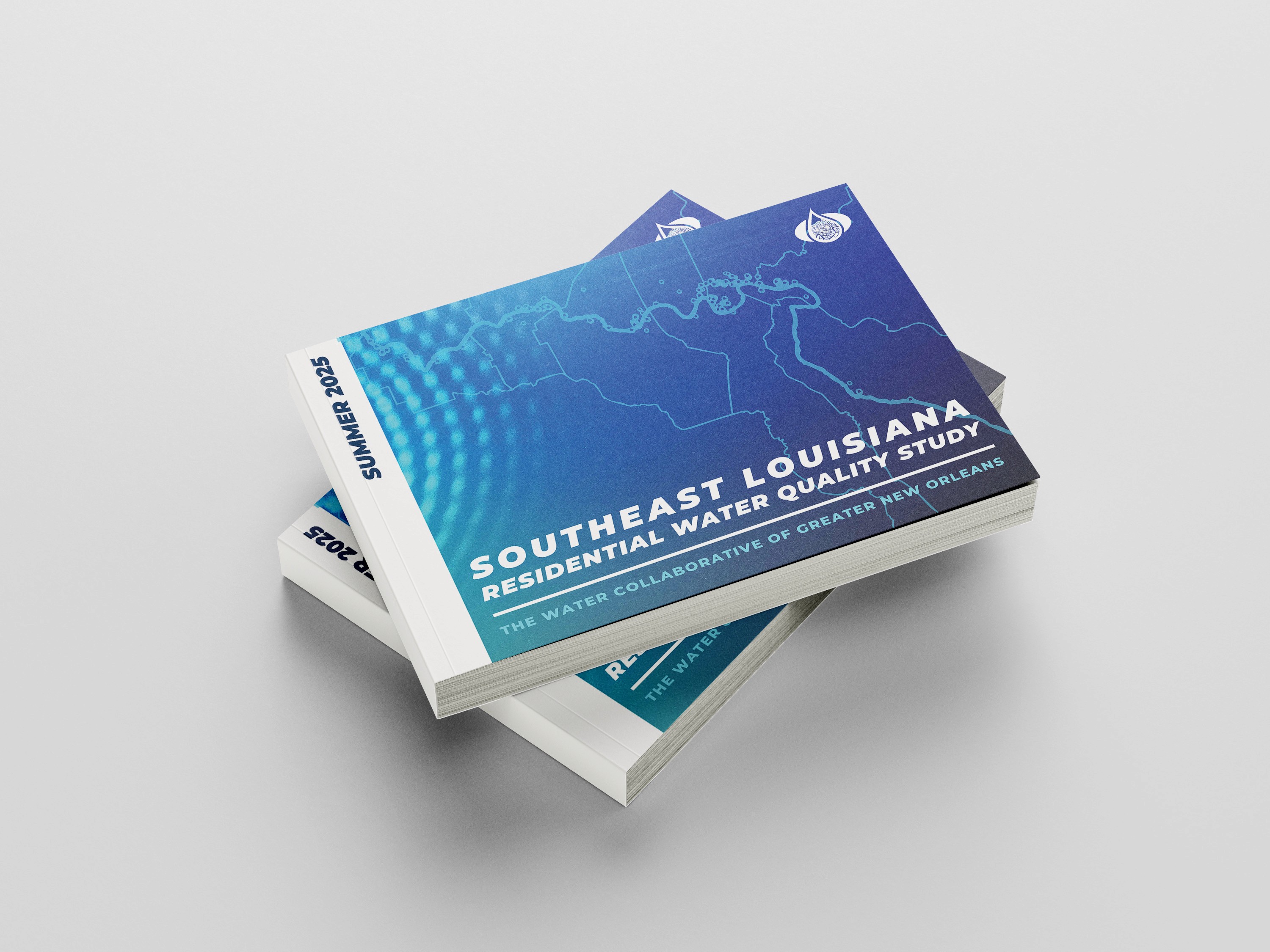
The Water Collaborative completed its River Parishes Study in 2022, and performed other studies in 2024 in New Orleans, and in Southeast Louisiana in 2025. The focuses of the studies are on water contaminants of concern, their distribution, and patterns, including; lead, copper, PFAS, 1,4-Dioxane, and BTEX.”


Comprehensive assessments of household and commercial water quality in the New Orleans region.

